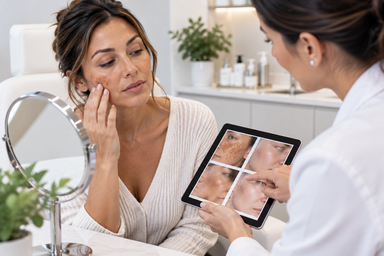
At Radiant Wellness & Aesthetics Med Spa in Forked River, NJ, we are committed to providing our clients with the latest and most effective skin care treatments. Dermaplaning is one of these advanced procedures, offering an exceptional way to achieve smoother, brighter, and more youthful skin. Let’s delve into what dermaplaning is, how it works, and who can benefit from this popular exfoliation technique.
If you have been staring at the same dark patch on your cheek or forehead for months, wondering why your drugstore serums have not made a dent in it, you are not alone. Hyperpigmentation is one of the most common skin concerns we hear about from clients throughout Forked River and the surrounding Ocean County communities, and it is also one of the most misunderstood. People often assume it is just sun damage, or that it will fade on its own with enough sunscreen and patience. Sometimes that is true. Often it is not.
This guide walks through what actually causes those stubborn dark spots, which treatments have real clinical backing, and how to figure out which option fits your skin, your schedule, and your budget. Updated this September 2026 with the latest treatment options available at Radiant Wellness Aesthetics Med Spa.
What Causes Hyperpigmentation and Dark Spots on the Skin?
Hyperpigmentation happens when your skin produces excess melanin in certain areas, creating patches that are darker than the surrounding tone. The most common triggers are sun exposure, hormonal shifts, and inflammation left behind by acne, cuts, or irritation.
Ultraviolet light is the biggest offender for most people in New Jersey, especially after summers spent on the Jersey Shore without consistent SPF. Hormonal pigmentation, often called melasma, tends to show up during pregnancy or with certain birth control methods and typically appears as symmetrical patches on the cheeks, forehead, or upper lip. Post-inflammatory hyperpigmentation is the dark mark left behind after a pimple heals or the skin experiences trauma, and it is especially common in people with medium to deeper skin tones.
Is Hyperpigmentation the Same as Melasma or Sun Damage?
No, but they are closely related. Melasma and sun damage are both types of hyperpigmentation, not separate conditions entirely.
Sun damage, sometimes called solar lentigines or age spots, tends to appear as small, defined spots on areas that get the most light exposure, like the cheeks, nose, and backs of the hands. Melasma is driven more by hormones and tends to show up in larger, cloudier patches. Knowing which type you are dealing with matters because the treatment approach can differ. A patch of melasma that is aggravated by heat, for example, may respond poorly to certain laser settings, while sun-related spots often respond very well to targeted light-based treatments.
Can Hyperpigmentation Go Away on Its Own?
Some mild post-inflammatory marks fade within a few months as skin naturally turns over. Sun spots and melasma, however, rarely disappear without intervention and tend to worsen with continued sun exposure.
This is the part that catches a lot of people off guard. Skin cell turnover slows down with age, which means the pigment that used to fade in six to eight weeks in your twenties can linger for a year or longer as you get into your thirties and forties. Waiting it out often means watching the discoloration deepen, particularly through another New Jersey summer.
What Are the Most Effective Treatments for Hyperpigmentation?
The most effective options combine professional-grade exfoliation with light or laser-based technology that targets pigment at a deeper level than topical products can reach. At Radiant Wellness Aesthetics Med Spa, we build a plan around your specific pigment type, skin tone, and lifestyle.
How Does Fotona 4D Help Fade Dark Spots?
Fotona 4D uses advanced laser technology to work beneath the surface of the skin, targeting pigment irregularities while also stimulating collagen production for a smoother, more even overall texture. Because it addresses both tone and texture in the same session, it has become one of the more requested treatments for clients dealing with sun damage layered on top of fine lines or uneven skin. You can read more about how the Fotona 4D treatment works in Forked River and what results typically look like.
Can a Chemical Peel Treat Hyperpigmentation?
A chemical peel accelerates skin cell turnover, helping to lift surface-level pigment and reveal fresher, more evenly toned skin underneath. Peels are often a good starting point for lighter pigmentation or as a maintenance treatment between laser sessions, and our chemical peel services are formulated to suit different skin sensitivities.
Is DiamondGlow Effective for Uneven Skin Tone?
DiamondGlow combines exfoliation, extraction, and infusion of condition-specific serums in one treatment, making it a gentler option for clients who want brighter, more even-toned skin without significant downtime. It pairs well as a complement to laser treatments or as a standalone option for milder discoloration. Details on the process are available on our DiamondGlow service page.
Microneedling is another tool that can help with pigmentation tied to texture irregularities, since it encourages the skin to rebuild itself from within. You can explore that option on our microneedling page if textural concerns are part of your picture as well.
How Long Does It Take to See Results?
Most clients notice a visible improvement in tone within two to four weeks of their first session, with continued improvement over the following months as skin regenerates. A full treatment plan for hyperpigmentation treatment typically spans several sessions spaced a few weeks apart, depending on how deep and long-standing the pigment is.
Deeper or more stubborn pigmentation, particularly melasma, tends to respond best to a series of treatments rather than a single visit. Your provider will map out a realistic timeline during your consultation based on what your skin is actually showing.
How Can You Prevent Hyperpigmentation From Returning?
Daily broad-spectrum SPF is the single most important habit for keeping treated skin from relapsing, along with avoiding peak sun hours and being consistent with any maintenance products your provider recommends. Pigmentation is stubborn about coming back if the underlying trigger, usually UV exposure, is not managed.
For Forked River residents who spend a lot of time near the water, this is worth taking seriously. Reapplying sunscreen every two hours during outdoor activity, wearing a wide-brimmed hat, and scheduling a seasonal touch-up treatment can go a long way toward protecting the results you invest in.
Who Is a Good Candidate for a Hyperpigmentation Treatment in Forked River?
Most adults with sun spots, melasma, or post-acne marks are good candidates, though the right treatment depends on skin tone, pigment depth, and any underlying skin conditions. A consultation is the best way to confirm which approach is safest and most effective for you.
If you are dealing with active acne, certain autoimmune skin conditions, or are currently pregnant, some treatments may need to wait or be adjusted, which is exactly why an in-person evaluation matters more than guessing based on what worked for a friend or an online review.
Frequently Asked Questions
Does insurance cover hyperpigmentation treatment? No, hyperpigmentation treatments are considered cosmetic and are typically paid out of pocket, though many practices offer financing or package pricing for multiple sessions.
Is laser treatment for hyperpigmentation painful? Most clients describe the sensation as mild warmth or light snapping rather than significant pain, and numbing options are available for more sensitive areas.
How many sessions does it take to see full results? Plans vary, but most clients complete three to six sessions spaced several weeks apart for noticeable, lasting improvement in tone and texture.
Can hyperpigmentation come back after treatment? Yes, especially without consistent sun protection. Ongoing SPF use and occasional maintenance sessions help preserve results long term.
What is the difference between a chemical peel and laser for dark spots? Peels work by exfoliating the surface layer of skin, while laser treatments like Fotona 4D reach deeper layers to target pigment and stimulate collagen at the same time.
Ready to Stop Hiding Behind Concealer?
Hyperpigmentation is stubborn, but it is not permanent, and you do not have to keep layering makeup over it every morning hoping nobody notices. The team at Radiant Wellness Aesthetics Med Spa works with Forked River clients every week to build treatment plans that actually match their skin, not a one-size-fits-all routine pulled from the internet. Explore our full range of skin rejuvenation services or reach out through our contact page to schedule a consultation and find out which option fits your skin best.