At Radiant Wellness & Aesthetics Med Spa in Forked River, NJ, we are committed to providing our clients with the latest and most effective skin care treatments. Dermaplaning is one of these advanced procedures, offering an exceptional way to achieve smoother, brighter, and more youthful skin. Let’s delve into what dermaplaning is, how it works, and who can benefit from this popular exfoliation technique.
You finally get a stubborn dark spot to lighten, and then a few months later it is back, sometimes in the exact same spot, sometimes as a new patch nearby. If this cycle sounds familiar, you are dealing with one of the most frustrating aspects of treatment for hyperpigmentation, which is that fading discoloration and preventing it from returning are actually two different challenges.
At Radiant Wellness & Aesthetics in Forked River, New Jersey, this is one of the concerns we hear about most often, especially from clients who have already tried brightening creams and over the counter spot treatments without lasting success. Understanding why hyperpigmentation recurs is the key to finally breaking the cycle.
What Is Hyperpigmentation, Exactly?
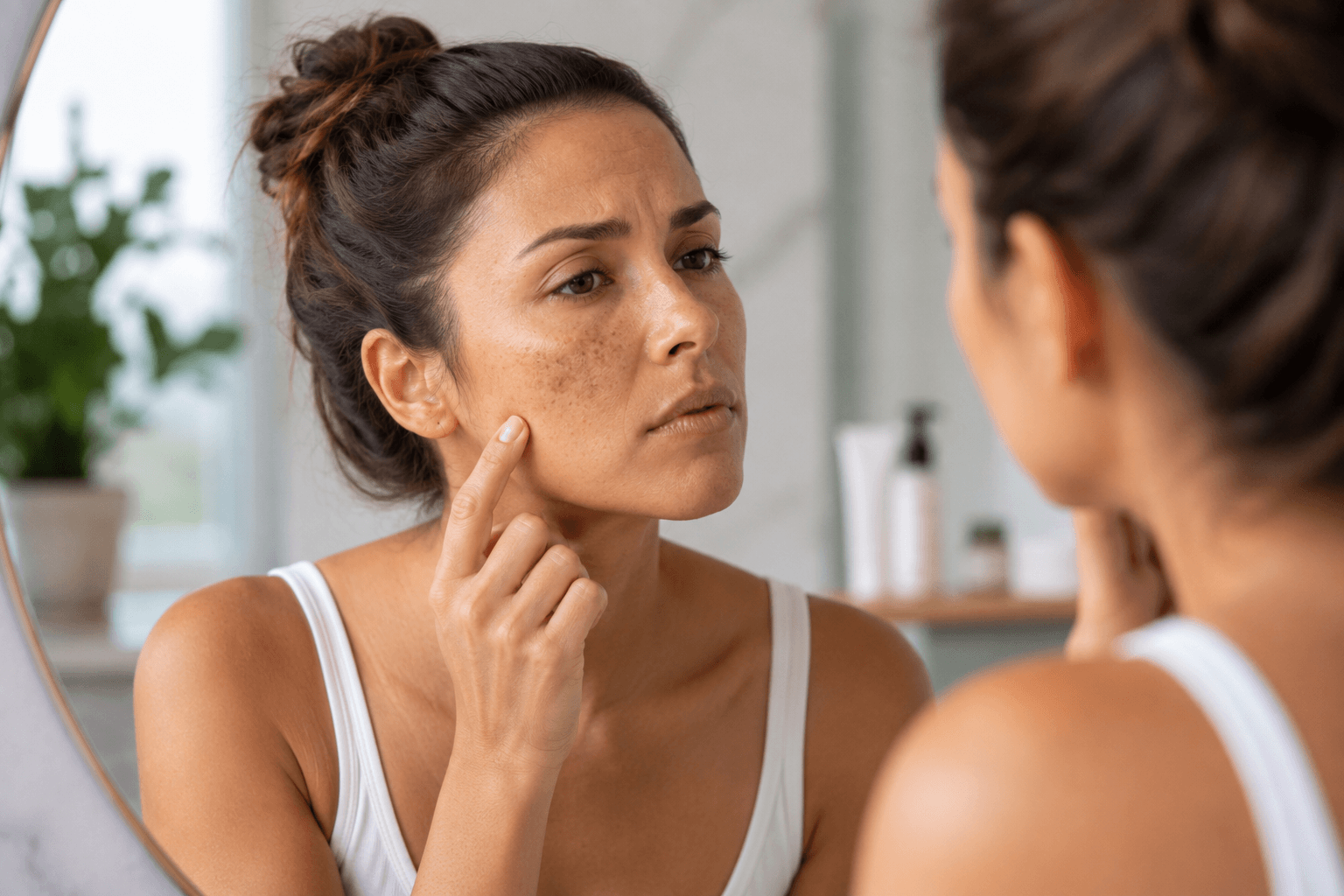
Hyperpigmentation happens when certain areas of skin produce more melanin than surrounding skin, creating patches or spots that appear darker than your natural tone. It is not a single condition but an umbrella term that covers several distinct types, each with different triggers and different treatment needs.
Sun Spots and Age Spots
Also called solar lentigines, these are flat brown spots that develop from cumulative sun exposure over the years, most commonly appearing on the face, hands, and chest.
Melasma
Melasma tends to appear as larger, symmetrical patches, often across the cheeks, forehead, or upper lip, and is strongly influenced by hormones, which is why it is common during pregnancy or with certain birth control methods.
Post-Inflammatory Hyperpigmentation
This type develops after the skin experiences trauma or inflammation, such as acne, a cut, or even an aggressive skincare treatment, leaving behind a dark mark once the original irritation heals.
Why Do These Types Behave So Differently When It Comes to Treatment?
This is where a lot of frustration comes from. Sun spots generally respond well and predictably to treatments that target pigment directly, since they are caused by a fairly straightforward buildup of melanin in one location. Melasma, on the other hand, is notoriously stubborn because it is driven by hormonal and inflammatory triggers that can reactivate the pigment producing cells even after successful treatment, which is why melasma has a reputation for returning, especially with sun exposure or hormonal shifts. Post-inflammatory hyperpigmentation usually fades on its own over time, but the timeline can stretch from months to over a year without support, and picking or aggressively treating the area can prolong it significantly.
What Triggers a Relapse After Treatment?
Even after a course of treatment fades existing discoloration, several common triggers can bring it right back.
Unprotected Sun Exposure
Ultraviolet light is the single biggest trigger for reactivating pigment producing cells, which is why consistent daily SPF is considered non-negotiable by dermatologists for anyone managing hyperpigmentation.
Hormonal Changes
Pregnancy, hormonal birth control, and hormone therapy can all reactivate melasma specifically, since these pigment cells are particularly sensitive to hormonal signals.
Heat and Inflammation
Heat exposure, whether from the sun, hot yoga, or even certain facial treatments performed too aggressively, can trigger a rebound in some pigment prone skin.
Stopping Maintenance Too Soon
Many people discontinue their treatment or maintenance routine as soon as spots fade, without realizing that ongoing management is often necessary to keep pigment producing cells calm long term.
What Treatment Options Actually Address the Underlying Issue?
Effective, lasting treatment for hyperpigmentation usually combines a professional in office treatment with a consistent maintenance plan, rather than relying on a single fix.
Chemical Peels
Chemical peels remove damaged, pigment heavy layers of skin and encourage fresh, more evenly toned skin to surface. Depending on the depth and formulation, a peel can be tailored to your specific pigment concern and skin sensitivity.
DiamondGlow
This treatment combines exfoliation with the infusion of targeted serums, helping to gently resurface pigmented areas while delivering brightening ingredients directly into the skin.
Microneedling
By creating controlled micro-channels in the skin, microneedling can help break up stubborn pigment while also improving the delivery of topical brightening treatments applied immediately afterward.
Fotona4D
For clients dealing with pigmentation alongside other concerns like texture or fine lines, Fotona4D can address pigmentation irregularities as part of a broader skin rejuvenation approach, particularly for sun related discoloration.
How Long Does It Take to See Results?
Timelines vary significantly depending on the type and depth of pigmentation. Superficial sun spots often show visible improvement within a few sessions, while melasma typically requires a longer, more conservative approach with realistic expectations, since being too aggressive with melasma can actually worsen inflammation and pigment production. Post-inflammatory marks usually fade faster with treatment support than they would on their own.
What Can You Do at Home to Prevent Pigmentation From Returning?
Professional treatment gets you to clearer skin, but daily habits keep you there.
Wear SPF Every Single Day
Broad spectrum sunscreen, reapplied throughout the day if you are outdoors, is the single most important step in preventing new and recurring pigmentation.
Avoid Picking at Blemishes
Since post-inflammatory hyperpigmentation is triggered by skin trauma, resisting the urge to pick at acne or irritated skin can prevent new dark marks from forming.
Stick With Your Maintenance Plan
Whether that means periodic peels, a maintenance skincare routine recommended by your provider, or scheduled touch up treatments, consistency matters more than intensity when it comes to keeping pigment cells calm.
Frequently Asked Questions
Why does my hyperpigmentation come back in the same spot every summer? This is common with melasma and sun triggered pigmentation, since the pigment producing cells in that specific area remain more reactive to UV exposure even after treatment.
Is treatment for hyperpigmentation different for melasma versus sun spots? Yes, melasma generally requires a gentler, more gradual approach due to its hormonal and inflammatory triggers, while sun spots often respond more predictably to direct pigment targeting treatments.
Can I treat hyperpigmentation at home without professional help? Over the counter brightening products can help maintain results, but they typically cannot address deeper or more stubborn pigmentation as effectively as in office treatments.
How many sessions will I need? This depends on the type, depth, and cause of your pigmentation, which is why a consultation is the best way to get an accurate treatment timeline for your specific skin.
Will hyperpigmentation ever go away permanently? With consistent sun protection and maintenance, many clients maintain clear results long term, though ongoing prevention is usually necessary since new triggers can occur throughout life.
Ready to Break the Cycle for Good?
Chasing dark spots that keep resurfacing is exhausting, but understanding why they return is what finally makes lasting results possible. The team at Radiant Wellness & Aesthetics in Forked River, New Jersey can help identify your specific type of pigmentation and build a treatment plan designed to actually keep it away. Learn more about our chemical peel, DiamondGlow, and microneedling treatments, browse our full service menu, or contact us to schedule your consultation.
This article was updated in August 2026 to reflect our current treatment offerings and approach at Radiant Wellness & Aesthetics.